Cats 27 August 2026 6 min read
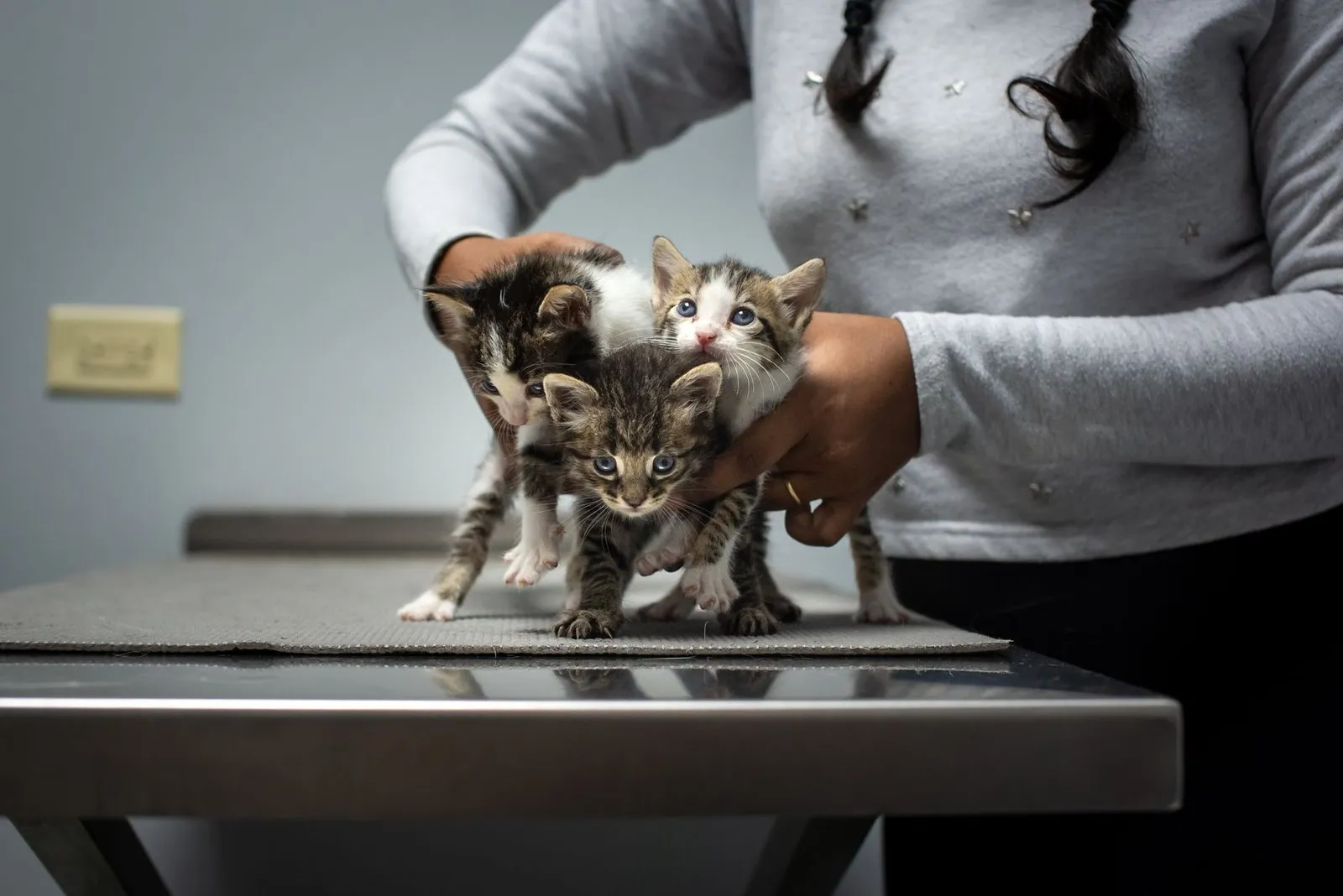
Your new kitten's first eight weeks at home
Vaccinations, worming, microchip, neutering and the first trip outside, in the order they happen, with what each one costs here.
Out of hours? Call 24/7 01632 960 247
How much is dangerous, why the first two hours matter, and what we do when you arrive. Written by the vets who take these calls at 10pm.

It is the most common out-of-hours call we get, and it peaks at Easter and Christmas. The short answer: call us now, before you try anything at home. Within about two hours of eating it we can usually make your dog sick safely, and that is far easier on everyone than treating the poisoning later.
Chocolate contains a stimulant that dogs break down far more slowly than we do. It speeds up the heart, causes vomiting and restlessness, and in larger amounts can cause tremors and fits.
How much is dangerous depends on three things:
We work out the dose from those numbers in a couple of minutes, so have the wrapper ready when you call.
If the dose is low, we may simply ask you to watch them at home. If it is not, we will ask you to come straight in.
The vet gives an injection that makes your dog sick within a few minutes, usually emptying most of the chocolate. We may then give activated charcoal to soak up what is left, and sometimes fluids. Most dogs go home the same evening, looking sheepish.
Grapes and raisins (including in mince pies and fruit cake), sugar-free sweets and gum, onions and garlic, macadamia nuts and some human painkillers are all on our list of “call us now” foods. If you are unsure, the symptom checker has a section for things your pet has eaten, and the vet on duty will always talk it through.
Vaccinations, worming, microchip, neutering and the first trip outside, in the order they happen, with what each one costs here.

Rabbit teeth never stop growing. How to spot a problem at home, what we look for, and why hay is the best dental care there is.